Exploring Vila Real de Santo António: History, Heritage, and Hidden Delights
Índice
A Brief History of Vila Real de Santo António
Vila Real de Santo António, located in the Algarve region of Portugal, was founded on December 30, 1773, with the signing of the royal statute that established its establishment. The city was built rapidly under the direction of the Marquis of Pombal, who was a minister to King D. José I. The urban plan for the city was drafted on March 2, 1774, and construction began on March 17 of the same year. By August 6, the town hall, customs office, barracks, and church were already completed.
Prosperous Years in the 19th Century
The end of the 19th century and the following decades were prosperous years for Vila Real de Santo António. The presence of sardines and tuna in the waters off the Algarve coast turned the city into an important fish processing center. Its port was in high demand for boats that traveled up the Guadiana River to load minerals extracted from the São Domingos mines. In fact, Vila Real de Santo António was the first city in the Algarve to have gas lighting, a testament to its dynamism and wealth (1886).
Ancient Origins and Earlier Settlements
The history of the region where Vila Real de Santo António stands today dates back to ancient times. Evidence of early settlements can be found in the dolmen and "tholos" of Nora, near Cacela. The Romans and later the Arabs made Cacela an important settlement. When its castle was captured by D. Paio Peres Correia, the master of the Order of Santiago, in 1240, Cacela became the starting point for the reconquest of the entire Algarve. Santo António de Arenilha, a Manueline city created around 1512, preceded the establishment of the "Pombaline" Vila Real.
 Exploring the Enchanting Towns near Évora: Discover Vila Viçosa and More
Present-Day Vila Real de Santo António
Today, Vila Real de Santo António and its municipality thrive on tourism, fishing, agriculture, and commerce. These sectors form a diversified and growing economy. The city was originally built in the 18th century but underwent improvements in the 1940s and 1950s. The altarpieces in the side chapels of the city's church are done in "rocaille" style. Notably, there is a beautiful set of 18th-century images, including Nossa Senhora da Encarnação, sculpted by Machado de Castro. The stained glass windows in the presbytery and the baptistry, installed in the 1940s, were designed by the Algarve painter Joaquim Rebocho.
Must-See Attractions in Vila Real de Santo António
- The City Hall: A historical building that showcases the 18th-century architecture of the city.
- The Customs Office: An important piece of the city's history and heritage.
- The Church: A beautiful church with rocaille-style altarpieces and stunning stained glass windows.
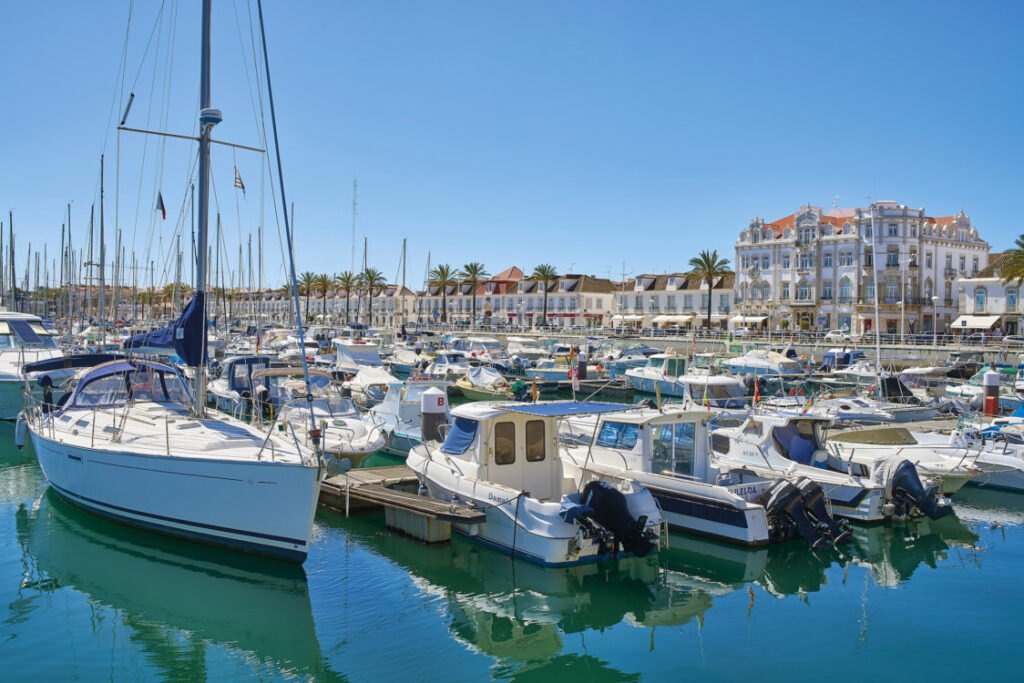
- The Port: Explore the bustling port, which was once a vital hub for trade and fishing.
- Santo António de Arenilha: Visit the remains of the Manueline city that preceded Vila Real de Santo António.
- The Dolmen and "Tholos" of Nora: Discover the ancient origins of the region by exploring these archaeological sites near Cacela.
Vila Real de Santo António, with its rich history, thriving economy, and stunning architecture, offers visitors a unique experience. Whether exploring the city's historical landmarks or enjoying the beautiful coastline, there is something for everyone to enjoy in this charming Portuguese destination.
 Exploring Alandroal: Unveiling the Medieval Charm and Natural Beauty of Alentejo
Related video:
Here, Some Hotels in Vila Real de Santo António
Discover the finest hotels near Vila Real de Santo António.
Explore Nearby: Top excursions around Vila Real de Santo António
Discover the hidden gems of Vila Real de Santo António with our exciting excursions. Explore the charming streets, visit historical landmarks, and indulge in the local cuisine. Immerse yourself in the rich culture and experience the beauty of this enchanting destination.
Si quieres conocer otros artículos parecidos a Exploring Vila Real de Santo António: History, Heritage, and Hidden Delights puedes visitar la categoría Évora.
Exploring Torre La Vega: A Charming Cuban Town in Évora Region
Unveiling Évora: Exploring the Hidden Charms of Portugal's Alentejo Region

Discovering Silves: Exploring the Charming Town in Évora Region

Exploring Aljezur: Unveiling the Charms of Évora's Charming Village
Discovering the Charms of Sawbridge: A Guide to São Brás de Alportel in Évora Region
Unveiling the Treasures of Arraiolos: Exploring History, Culture, and Natural Beauty
Subir
Deja una respuesta